
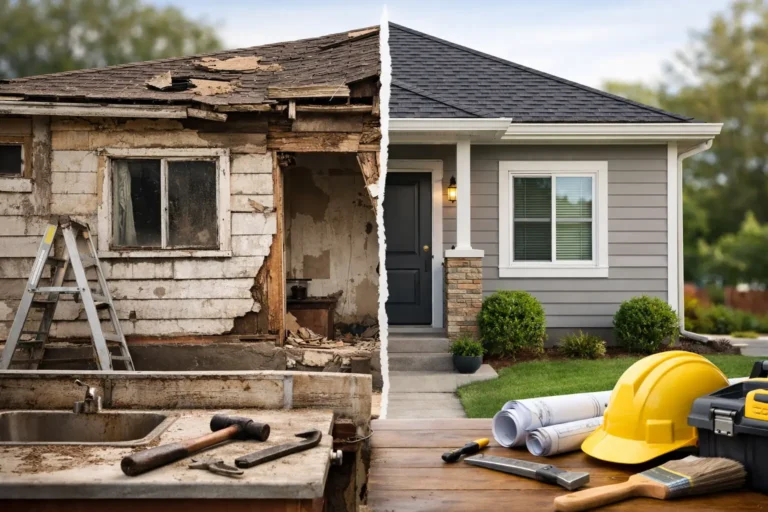
A peeling weatherboard façade, a tired 1980s kitchen or a bathroom with persistent mould can do more than make a home feel dated. They can shape buyer confidence, affect the offers you receive and turn a straightforward sale into a stressful project. Knowing the top signs your house needs renovation helps you decide whether to improve the property, sell it in its current condition or consider another pathway that better suits your circumstances.
For many Melbourne and Victorian owners, the question is not simply, “What should I fix?” It is whether the likely uplift in sale value and buyer appeal justifies the time, disruption and cost of renovation. The answer depends on the property’s condition, location, likely buyer pool and your own timeframe.
Top signs your house needs renovation before selling
1. The property has visible structural or water-related problems
Cracks in walls, sagging floors, water stains on ceilings, leaking gutters and damp patches should never be dismissed as purely cosmetic. Some movement can be normal in older homes, particularly across Victoria’s reactive clay soils, but widening cracks, doors that no longer close properly or recurring moisture may point to an issue worth investigating.
Water damage is especially likely to concern buyers because they cannot easily tell how far it extends. A roof leak may have affected insulation, plaster, electrical fittings or timber framing. Likewise, poor drainage around the house can lead to damp subfloors, mould and deterioration over time.
Not every concern requires a full renovation. Sometimes targeted repairs, drainage work and clear documentation are enough to remove uncertainty. Where the scope is broader, obtaining an informed view of the work required can help you avoid spending on surface improvements while a more significant issue remains unresolved.
2. The kitchen or bathroom is well past its useful life
Buyers often forgive an older kitchen if it is clean, functional and priced accordingly. They are less forgiving of swollen cabinetry, cracked tiles, failing appliances, damaged benchtops, poor ventilation or plumbing that needs constant attention. Bathrooms attract similar scrutiny, particularly where there are signs of leaking showers, loose tiles, staining, mould or outdated layouts.
A full kitchen or bathroom replacement can improve presentation, but it is not automatically the best decision. In a tightly held suburb where buyers expect to renovate to their own taste, a modest refresh may be more sensible than a high-spec fit-out. In contrast, a property competing with renovated homes may need more than a fresh coat of paint to stand out.
The useful question is whether the room is merely dated or actively deterring buyers. A dated but clean kitchen can be a manageable project. A kitchen with water damage, poor storage and non-functioning fixtures may reduce both confidence and competition at sale.
3. Maintenance has accumulated across the whole home
One neglected job is rarely the issue. Buyers become cautious when they see a long list: flaking paint, loose fencing, overgrown gardens, damaged eaves, worn carpets, broken light fittings and sticking windows. Together, these details suggest the property may have been poorly maintained, even when the major building elements are sound.
This is one of the clearest signs a house needs renovation or, at minimum, a considered maintenance programme. Small jobs can have an outsized impact because they improve first impressions and signal care. A tidy entry, working doors, clean walls and maintained outdoor areas allow buyers to focus on the home’s potential rather than its problems.
Be selective, though. Replacing every older feature can erase character and consume funds without changing the likely buyer’s decision. The goal is to remove obvious friction, not make a long-held home look like a generic display suite.
4. The layout no longer suits how people live
Some homes show their age through their floor plan rather than their finishes. Separate enclosed living areas, a cramped kitchen, an internal laundry with no storage, or poor connection to the backyard can limit appeal for modern households. In regional Victorian towns and Melbourne suburbs alike, buyers often place real value on practical living spaces, natural light and usable outdoor areas.
Layout changes are more complex than cosmetic work. Removing a wall may involve structural engineering, approvals and services relocation. Extending the home can introduce substantial planning, building and budget considerations. Before committing, assess whether a simpler improvement could achieve the same result – such as better lighting, new doors, storage solutions or improved access to the garden.
If the layout requires a major rethink, selling as-is may be a valid option for an owner who does not have the appetite or timeframe for a substantial project. A renovator or developer may see opportunity where another buyer sees inconvenience.
5. The home feels dark, tired or difficult to inspect
Presentation is not superficial when you are preparing to sell. Dark rooms, heavy window coverings, cluttered spaces and tired paint can make rooms feel smaller and distract from the property’s strengths. Older homes often have excellent bones, generous room sizes or established gardens, yet those advantages can be missed if the inspection experience feels gloomy or neglected.
Refreshing paint, repairing obvious defects, improving lighting and clearing excess belongings can make a meaningful difference without becoming a complete renovation. This can be particularly helpful for deceased estates, inherited properties or homes where years of possessions have accumulated.
It is also worth being realistic about what presentation can solve. Styling and paint will not overcome a failing roof, extensive moisture damage or an unworkable layout. Cosmetic work is most effective when the underlying property is sound.
6. Electrical, plumbing or safety features are outdated
Older switchboards, recurring plumbing leaks, inadequate ventilation, ageing hot water systems and unsafe stairs or balustrades can create concern during buyer due diligence. Some items may also affect insurance, lender requirements or the willingness of buyers to proceed once they understand the likely work involved.
A qualified professional can identify what needs urgent attention and what can be disclosed as an expected upgrade. This distinction matters. Owners do not always need to modernise every system before sale, but they should avoid guessing about safety-related issues or allowing preventable faults to undermine negotiations.
For homes with unfinished building work, unapproved alterations or possible compliance concerns, the right next step is usually clarity before action. Rushing to finish work without understanding the requirements can add cost and complication.
Renovate, refresh or sell as-is?
A renovation should serve a clear purpose. If it will improve buyer appeal, reduce uncertainty and align the property with comparable homes, it may be worthwhile. If the work is likely to exceed your available time, funds or tolerance for disruption, a different sale strategy may better protect your position.
A practical assessment considers four things: the property’s current condition, the likely buyer, the local competition and your circumstances. An owner relocating quickly, managing mortgage pressure or handling a separation may value certainty and simplicity more than pursuing a larger renovation project. Someone with a well-located home and enough time to prepare may prefer targeted works that broaden buyer appeal.
It is also possible to take a middle path. Address safety and maintenance issues, improve presentation, then sell without undertaking a major renovation. Alternatively, a managed renovation approach may help owners complete value-adding work without taking on every logistical burden themselves. The right choice is the one that is realistic for the property and for you.
Start with a clear, independent scope
Before authorising trades or spending money on finishes, walk through the home with a critical eye. Note what is urgent, what affects buyer confidence and what is simply a matter of taste. Gather information on any suspected building, drainage, electrical or compliance issue, then consider the likely sale pathway.
Avoid renovating based on emotion alone. A family home can hold decades of memories, and it is natural to want it looking its best. But the most effective preparation is not always the most extensive. Sometimes a focused refresh is enough. Sometimes the best outcome comes from selling the property in its existing condition to a buyer prepared to take on the work.
If you are weighing up repairs, a renovation or an as-is sale, Uplift Property Solutions can help you understand the practical options for your property and move forward with greater confidence.