
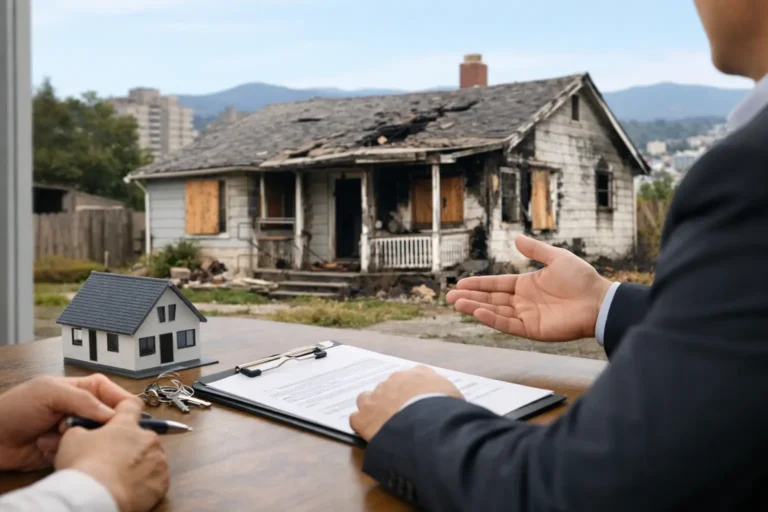
A damaged property can turn into a holding cost faster than most owners expect. What starts as a few repairs after storm damage, tenant wear, movement cracks or an unfinished renovation often becomes a bigger problem once quotes, council issues, finance pressure and buyer hesitation enter the picture. If you need to sell damaged house Victoria owners should know there is rarely just one path forward.
The right approach depends on the type of damage, your timeframe, your cash flow and how much energy you can realistically put into the property before sale. For some owners, an as-is sale is the cleanest option. For others, a targeted improvement strategy or a property takeover arrangement can deliver a better result without creating more stress.
What buyers really see when a house is damaged
Most owners look at damage through the lens of what happened. Buyers look at it through the lens of risk. They are asking different questions. Is the issue cosmetic or structural? Will the bank lend against it? Are there hidden costs? Will the building inspection uncover more problems? Even when a property has good land value or sits in a strong Melbourne or regional Victorian location, uncertainty can reduce buyer confidence quickly.
That does not mean the home is unsaleable. It means the method of sale matters. Traditional buyers often respond poorly to properties with obvious defects, especially when they need immediate work or the presentation feels neglected. Investors and experienced buyers may still be interested, but they will assess the deal based on effort, risk and holding costs.
This is where many sellers lose time. They list the property in a standard way, hope the market will sort it out, then face low offers, repeated feedback about condition, or a campaign that stalls. If the house is damaged, the sale strategy should reflect that reality from the start.
Sell damaged house Victoria – start with the kind of damage
Not all damaged homes should be handled the same way. A house with dated interiors, stained carpet and old paint is very different from one with major cracking, water ingress, fire damage or non-compliant works. Lumping every issue into the same category leads to poor decisions.
Cosmetic damage is usually the easiest to work around. Buyers may still negotiate hard, but the property remains financeable and the repairs are easier to estimate. Moderate damage sits in a more complicated middle ground. Think water damage that needs rectification, partial storm damage, termite history, vandalism, or a renovation that was started and never completed. Severe damage raises a different set of issues, particularly when structural integrity, safety, insurance complications or council attention are involved.
The more serious the damage, the more important certainty becomes. Owners dealing with an inherited property, financial strain, relocation, separation or mortgage pressure often do not need extra moving parts. They need clarity on what is realistic and what each option would involve.
When selling as is makes the most sense
Selling as is can be the right move when speed, simplicity and certainty matter more than squeezing every possible dollar out of the property. That is often the case when the owner does not have spare funds for repairs, cannot manage trades, or simply wants to move on from a difficult situation.
This approach can suit deceased estates, long-held homes that need major updating, properties with problem tenants, and houses where the damage is obvious enough that presenting it as a renovation project is more honest than dressing it up. It can also make sense if the market has already rejected the property in a traditional campaign.
The trade-off is straightforward. An as-is sale may reduce preparation costs and shorten the path to settlement, but buyers will price in the work, the inconvenience and the unknowns. That does not automatically make it the wrong option. For many sellers, avoiding months of repairs, carrying costs and uncertainty is worth serious consideration.
When repairs or renovation can improve the outcome
Some damaged homes are worth fixing before sale, but only if the work is focused and properly managed. Owners often overcapitalise by trying to make the property perfect. In reality, the aim is usually to remove the issues that scare buyers or limit finance, not to create a luxury renovation.
The strongest candidates for pre-sale improvement are properties where a manageable amount of work can move the home from a narrow buyer pool into a much broader one. That might mean completing an unfinished kitchen, rectifying visible water damage, replacing damaged flooring, repainting throughout, or addressing safety concerns that make inspections awkward.
It depends on the property and the local market. In some Victorian suburbs, buyers are comfortable taking on cosmetic work if the floorplan and location are right. In other areas, they want a cleaner, more straightforward purchase and discount heavily when a home looks troubled. The question is not whether repairs are possible. It is whether the likely uplift justifies the time, risk and effort involved.
A middle path: property takeover or managed works
There is a gap between doing nothing and taking on a full renovation yourself. For many stressed owners, that middle ground is where the best solution sits. A property takeover or managed improvement pathway can help when the property has enough upside to justify work, but the owner does not want to coordinate trades, deal with delays or fund everything upfront in the usual way.
This kind of option is especially relevant when life circumstances are already demanding attention. If you are handling an estate, navigating a family breakdown, relocating for work or trying to stabilise finances, project-managing a damaged house is rarely a simple side task. It becomes another source of pressure.
A practical, hands-on approach can make the decision easier because it turns a vague problem into a defined plan. You can compare the likely outcome of selling now against improving the property first, without pretending every home should follow the same formula.
What slows down the sale of a damaged property
The biggest delays usually come from uncertainty, not the damage itself. Missing paperwork, unclear repair history, abandoned building works, insurance questions and council compliance issues all make buyers cautious. So does poor presentation, even when the home is being sold as is.
Transparency matters. A damaged property does not need to be hidden to sell well, but it does need to be framed properly. Buyers want to understand what they are taking on. If they feel information is patchy, they will either walk away or protect themselves with a lower offer.
Presentation still counts too. Even where no repairs are planned, basic clearing, cleaning and sensible preparation can help buyers assess the property more confidently. A house that looks chaotic feels riskier than one that is plainly damaged but orderly.
How to decide the right path for your property
If you need to sell a damaged house in Victoria, start by being honest about four things: the severity of the issues, your timeframe, your financial capacity and your appetite for managing a process. Those factors usually point to the best option more clearly than emotion does.
If time is tight and the property needs substantial work, an as-is solution may be the most practical. If the damage is holding back otherwise strong buyer appeal and the work is manageable, targeted improvements may be worth exploring. If the property has potential but your circumstances make self-managing unrealistic, a more tailored takeover or project-led approach may suit better.
This is not just about property value. It is also about reducing friction. The wrong strategy can keep a difficult property hanging over you for months. The right one creates momentum and gives you a clearer next step.
For owners in Melbourne and across Victoria, the most useful support is not a one-size-fits-all pitch. It is clear advice on the options in front of you, what each path involves, and where the trade-offs sit. Uplift Property Solutions works with property owners facing exactly these situations, helping them assess whether to sell as is, improve before sale, or take a different path that better fits their circumstances. If you are weighing up what to do with a damaged property, a calm, informed conversation can make the next move much easier.