
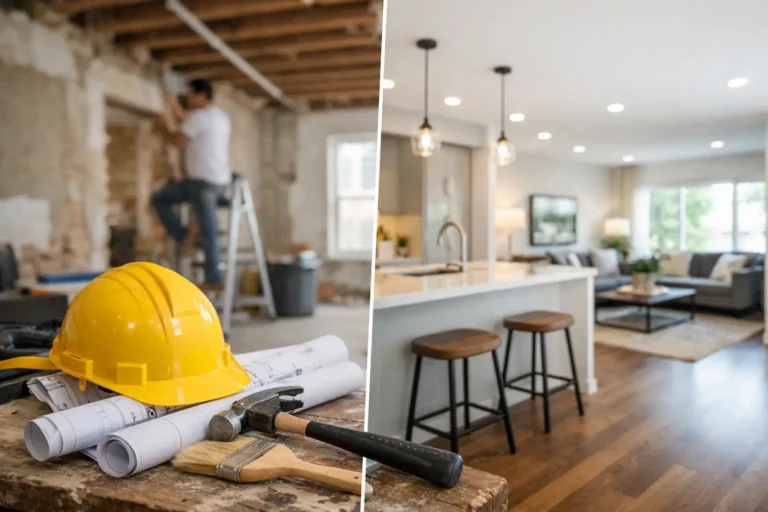
If you are preparing to sell a tired, inherited or half-finished property, a guide to value add renovations should start with one honest question: which improvements will change buyer perception enough to justify the time, effort and risk? Not every property needs a full makeover. In many cases, the best result comes from doing less, but doing the right things well.
For sellers across Melbourne and Victoria, that distinction matters. Many homes come to market after a major life event, a long period of deferred maintenance, or a failed campaign where buyers saw problems instead of potential. When a property is not market-ready, renovations can lift the likely sale outcome, but only if they are planned around the local buyer pool, the property’s condition and the seller’s timeframe.
What value add renovations actually mean
Value add renovations are not the same as renovating for personal taste. They are improvements made to reduce objections, improve presentation and increase market appeal in a way that supports a stronger sale result.
That can be as simple as repairing water damage, repainting dark rooms and replacing worn floor coverings. It can also mean a more strategic update to kitchens, bathrooms, lighting, landscaping or layout where the existing condition is clearly holding the property back.
The key is relevance. A renovation adds value when it solves a real buyer concern. If the home feels neglected, buyers worry about hidden costs. If the floorplan feels awkward, they discount the price in their mind. If the property looks clean, functional and easy to move into, the same buyers often respond very differently.
A guide to value add renovations before sale
The best renovation decisions usually come from identifying what is stopping buyers from competing. In the Victorian market, especially in established suburbs with older housing stock, the biggest issues are often presentation, maintenance and uncertainty.
A property does not have to look brand new. It does need to feel cared for. Buyers can accept an older kitchen more readily than they can accept mould, cracked tiles, unfinished repairs or a yard that suggests ongoing work. Emotional confidence plays a big role in sale outcomes, particularly when buyers are already cautious about borrowing costs and future expenses.
That is why pre-sale improvements should focus first on visible problems and practical concerns. Once those are addressed, cosmetic updates can help the home photograph better, inspect better and feel more valuable in person.
Start with defects, not decoration
If there are leaks, damaged plaster, rotten timber, unsafe steps, broken fittings or signs of pest activity, these come first. Defects reduce trust quickly. Even minor issues can make buyers assume there are larger ones behind the walls or under the house.
Fixing defects is rarely glamorous, but it often protects value better than spending the same amount on decorative finishes. A buyer may not pay extra because a home has new tapware, but they may reduce their offer significantly if the bathroom fan does not work and the ceiling shows staining.
For sellers in stressful or time-sensitive situations, this is also where clear prioritisation matters. Not every problem must be solved. The point is to remove the issues most likely to derail a sale or trigger heavy price negotiations.
Focus on kitchens and bathrooms carefully
Kitchens and bathrooms influence buyer sentiment more than most rooms, but they are also the easiest places to overspend. A full replacement is not always the smartest move.
Often, a targeted refresh can do enough. Painting cabinets, replacing handles, updating splashbacks, improving lighting, regrouting tiles and installing cleaner, more modern fixtures can materially change how these spaces feel. If the layout works and the structure is sound, a cosmetic update may be enough to shift the property into a more attractive bracket.
A full renovation tends to make more sense when the room is non-functional, visibly damaged or so dated that it dominates buyer feedback. Even then, the finish level should suit the suburb and price point. Overcapitalising is a real risk, particularly in areas where buyers are paying mainly for land, location or future development potential.
Paint, flooring and lighting often do more than expected
Fresh paint is one of the most reliable value add tools before sale. It brightens rooms, reduces visual clutter and gives buyers a sense of cleanliness. Neutral colours usually work best because they make it easier for buyers to picture their own furniture and style.
Flooring has a similar effect. Worn carpet, mismatched surfaces and damaged boards can make an otherwise solid home feel tired. Replacing flooring or restoring timber floors can improve inspections immediately because buyers notice these surfaces in every room.
Lighting is often overlooked. Dim spaces feel smaller and less welcoming. Better light fittings, warmer globes and improved natural light through simple changes can shift the mood of a property without major building work.
Where sellers often waste money
The biggest mistake is renovating to impress rather than renovating to sell. High-end finishes, bold design choices and expensive custom work do not always translate into a stronger result. Buyers compare homes broadly, not line by line. They respond to overall condition, usability and confidence.
Another common mistake is starting too much at once. Once walls come down or old fixtures are removed, hidden issues can expand the scope. That may be manageable for an investor with time and capital. It is far less suitable for a seller trying to move through an estate matter, separation, relocation or financial pressure.
There is also a timing risk. If the market is moving, a long renovation can delay sale and create extra holding pressure. Sometimes the better option is a lighter improvement program that gets the property sold sooner with less disruption.
How to judge whether renovation is worth it
A practical guide to value add renovations should include the option not to renovate at all. Sometimes a property is better sold as is, especially where the home needs major structural work, the owner needs certainty, or the likely buyer is a builder, renovator or land-focused purchaser.
The decision usually comes down to four factors: current condition, buyer type, likely uplift and personal capacity. If modest improvements can widen the buyer pool and reduce objections, renovation may be worthwhile. If the work is extensive, uncertain or emotionally draining, another pathway may be more suitable.
This is particularly relevant for deceased estates, long-held family homes and properties with unfinished works. In these cases, the goal is not to chase perfection. It is to choose the path that produces the best overall outcome with the least unnecessary risk.
Match the work to the market
Every suburb has a ceiling, and every property has a natural buyer. A weatherboard in an inner-north suburb may benefit from polished presentation and sympathetic updates. A dated brick veneer in outer Melbourne may only need practical repairs, paint and garden clean-up to compete well. Regional properties can be even more varied, with buyers prioritising land use, sheds, access or liveability over style.
That is why renovation decisions should always be grounded in local market behaviour. What buyers reward in one area may be ignored in another.
The role of project management in a sale-focused renovation
Pre-sale renovations are rarely just about building work. They involve sequencing trades, controlling scope, choosing materials, handling rubbish removal, keeping the property presentable and making decisions quickly. For owners already dealing with personal stress, that workload can be the hardest part.
Good project management protects both time and value. It keeps the renovation focused on sale outcomes rather than drifting into a larger, more expensive project. It also helps avoid common problems such as inconsistent finishes, poor trade coordination and delays that push the sale further out.
For many sellers, especially those managing a property from interstate, handling an inherited home, or dealing with difficult tenants or compliance issues, support matters just as much as strategy. Calm, practical guidance can turn an overwhelming property into a manageable plan.
When a lighter touch is enough
Not every value-add strategy involves construction. Sometimes decluttering, deep cleaning, garden maintenance and a few key repairs are enough to shift a home from problem property to saleable property.
This lighter approach can work well when the bones are good but the presentation is poor. It can also suit owners who want to preserve flexibility and avoid opening up bigger works. There is no prize for the largest renovation. The better outcome usually comes from choosing the smallest effective one.
The right guide to value add renovations should leave room for nuance. Some homes justify a targeted upgrade. Some need careful triage before sale. Some are better sold in their current condition with a clear strategy around buyer expectations. What matters is choosing improvements that solve real problems, suit the market and respect the seller’s circumstances.
If you are weighing up whether to repair, renovate or sell as is, Uplift Property Solutions can help you assess the practical options with a clear head and a sale-focused plan. A calm, well-timed decision now can make the next step much easier.